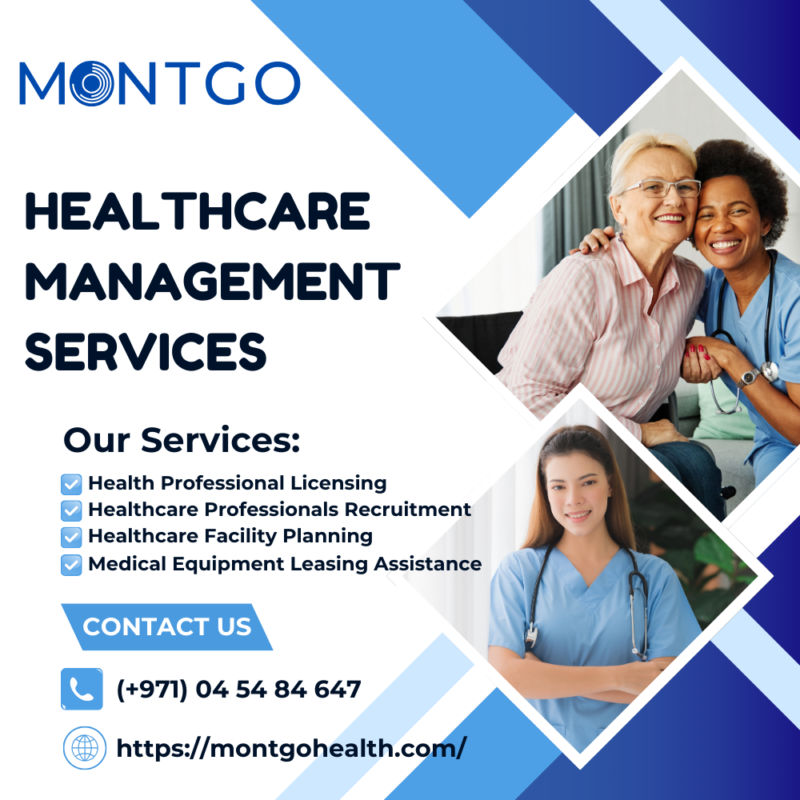
In today’s dynamic and complex healthcare environment, the role of healthcare management services has become more critical than ever. These services are key to ensuring high-quality patient care, efficient operations, and financial sustainability. From overseeing administrative functions to supporting clinical processes, healthcare management services play a pivotal role in the seamless operation of healthcare systems.
This article explores the vital role these services play in modern healthcare, how they impact patient outcomes, and the ways they support long-term institutional sustainability. We’ll also highlight a leading example of healthcare management excellence: Montgo Health.
Why Healthcare Management Services Are Essential
Healthcare management services serve as a crucial link between clinical practice and administrative operations. Hospitals, clinics, and healthcare institutions operate in highly regulated, resource-intensive environments. Managing multiple departments, addressing stakeholder needs, and adhering to strict regulations require a strategic approach, supported by specialized knowledge and systems.
Amid growing patient demands, increasing operational costs, and the heightened focus on care quality, healthcare providers must rely on well-structured management services. These services help organizations streamline processes, optimize resources, and elevate the standard of care delivered to patients.
Ready to Start Your Medical Career in UAE?
Have questions about your medical license or facility setup? Contact us today and let’s make your journey seamless!
Core Components of Healthcare Management Services
Healthcare management encompasses several key areas, each designed to improve operational efficiency and healthcare delivery:
1. Operational Management
This involves overseeing the day-to-day functioning of a facility—such as patient scheduling, workflow optimization, supply chain oversight, and equipment maintenance. Effective operational management ensures smooth patient flow and minimizes delays in care delivery.
2. Human Resource Management
A healthcare facility is only as strong as its workforce. Human resource management includes recruiting qualified personnel, ongoing training, performance management, and ensuring regulatory compliance. Strong HR strategies help maintain a competent, motivated, and well-coordinated team.
3. Financial Management
Financial oversight is vital for maintaining profitability and ensuring access to quality care. Financial management services cover budgeting, revenue cycle management, billing accuracy, and financial planning. This allows healthcare organizations to maintain services while managing costs effectively.
4. Quality and Patient Safety
Quality assurance programs focus on maintaining high standards of care, reducing medical errors, and improving patient safety. This includes implementing protocols, conducting regular audits, and ensuring adherence to evidence-based practices.
5. Healthcare IT and Data Management
The digital transformation of healthcare relies heavily on technology integration. Healthcare IT services support electronic health records (EHR), telemedicine, and data analytics—enhancing decision-making, improving care coordination, and boosting patient engagement.
6. Regulatory Compliance
Compliance with local and international health laws is non-negotiable. This area involves ensuring that healthcare organizations adhere to standards governing licensing, patient privacy (e.g., HIPAA), and ethical care delivery. Compliance officers play a key role in minimizing legal and reputational risks.
7. Strategic Planning and Growth
Long-term planning helps healthcare institutions expand, innovate, and respond to market demands. Strategic services include market analysis, risk management, service diversification, and planning for mergers or facility development.
Enhancing Patient Care Through Effective Management
One of the key objectives of healthcare management services is to improve patient care. When healthcare organizations operate efficiently, patients benefit through faster services, better communication, and more consistent treatment outcomes.
Reducing Wait Times
By optimizing appointment systems, staffing, and patient flow, healthcare management teams can significantly decrease wait times, improving patient satisfaction and access to care.
Enhancing Communication and Coordination
Efficient internal communication helps prevent errors, reduces redundancies, and supports better decision-making. Management services ensure seamless coordination among medical teams, enhancing patient safety and treatment continuity.
Promoting Patient Engagement
Engaged patients are more likely to adhere to treatment plans and maintain better health outcomes. Management services support initiatives such as educational programs, follow-up protocols, and user-friendly digital portals.
Implementing Clinical Best Practices
Healthcare management supports the adoption of standardized, evidence-based protocols, ensuring patients consistently receive the highest quality care available.
Continuous Quality Improvement
Routine evaluations of care practices help identify gaps and areas for enhancement. Through audits, patient feedback, and performance reviews, healthcare providers can evolve and consistently raise their standards of care.
Ready to Start Your Medical Career in UAE?
Have questions about your medical license or facility setup? Contact us today and let’s make your journey seamless!
Controlling Costs Without Compromising Care
With healthcare costs on the rise, management services are instrumental in helping providers maintain affordability and financial stability. Key strategies include:
Optimizing Resource Allocation
By aligning staff, equipment, and facility resources with actual patient needs, healthcare management reduces waste and maximizes efficiency.
Preventing Readmissions
Management services facilitate discharge planning, patient education, and follow-up care—reducing avoidable readmissions and associated costs.
Streamlining Revenue Cycle Management
Accurate billing, timely claims submission, and improved reimbursement processes ensure consistent cash flow and reduce administrative burdens.
Leveraging Technology
Technological tools like EHRs, automation software, and telehealth platforms help cut costs, enhance efficiency, and reduce manual errors across the system.
Montgo Health: A Benchmark in Healthcare Management
Montgo Health exemplifies how well-executed healthcare management services can transform care delivery. The organization offers end-to-end solutions tailored to the needs of healthcare providers—enhancing clinical quality, ensuring compliance, and optimizing financial performance.
By integrating technology, evidence-based frameworks, and strategic consulting, Montgo Health empowers healthcare institutions to operate efficiently and deliver exceptional care. Whether through workforce optimization, digital transformation, or process redesign, Montgo Health plays a vital role in advancing healthcare standards.
Healthcare management services are indispensable in today’s healthcare environment. They ensure operational efficiency, regulatory compliance, and, most importantly, high-quality patient care. As healthcare systems face mounting challenges, including rising costs and increasing demand, robust management solutions provide the foundation for sustainable success.
Organizations like Montgo Health demonstrate the profound impact that expert healthcare management can have. By embracing innovation, strategic planning, and patient-centered care, healthcare providers can build resilient systems prepared for both present challenges and future growth.
Frequently Asked Questions
Q. How does the UAE healthcare system operate?
A. The UAE’s healthcare system features a combination of public and private providers. Government services, often supported by mandatory health insurance, ensure citizens and residents have access to subsidized care.
Q. What is the largest healthcare system in the UAE?
A. The Ministry of Health and Prevention (MOHAP) oversees the largest network of public hospitals and clinics in the UAE.
Q. What are the main factors shaping healthcare delivery in the UAE?
A. Influencing factors include government policy, technological innovation, healthcare workforce availability, infrastructure development, and population growth, particularly among expatriates.
Q. How many healthcare facilities exist in the UAE?
A. The UAE hosts more than 3,500 healthcare facilities, covering both public and private sectors.
Q. What types of health insurance are available in the UAE?
A. There are typically two types: basic health insurance, which covers essential services, and comprehensive health insurance, which includes broader coverage such as specialized care.
Q. How is the UAE ranked globally in terms of healthcare?
A. The UAE’s healthcare system is consistently ranked among the top 30 worldwide, recognized for its advanced infrastructure, accessibility, and high standards of care.