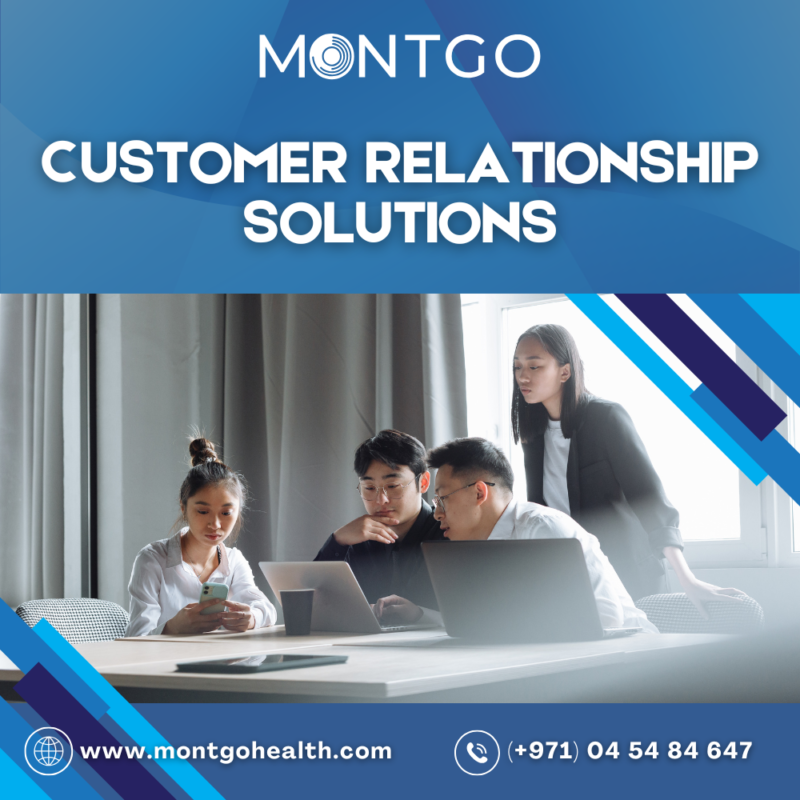
Traditionally, interactions between patients and healthcare providers were mostly limited to scheduled visits, diagnoses, treatments, and follow-ups. However, the healthcare experience has transformed dramatically. With the rise of digital technologies and value-based care models, the emphasis has shifted toward continuous patient engagement, personalized communication, and proactive health management. Customer Relationship Management (CRM) systems have become essential tools for healthcare providers striving to enhance both clinical outcomes and the overall patient experience.
This article delves into the significance of CRM solutions in today’s healthcare environment, explores the challenges of implementation, outlines must-have features of healthcare CRMs, highlights practical applications, discusses future trends, and examines how companies like Montgo Health are revolutionizing patient engagement.
The Evolving Healthcare Landscape
Healthcare systems today are under immense pressure to deliver superior quality care, increase patient satisfaction, and reduce operational costs. Simultaneously, they face growing patient volumes, chronic disease prevalence, and an aging population. Patients now demand care that is not only timely but also transparent and tailored to their individual needs.
Customer relationship solutions have become indispensable in addressing these demands.
Healthcare CRM platforms offer a comprehensive view of each patient, enabling seamless communication and empowering patients to become active participants in their healthcare journeys.
Ready to Start Your Medical Career in UAE?
Have questions about your medical license or facility setup? Contact us today and let’s make your journey seamless!
Why Healthcare Requires CRM Solutions
While CRM tools in sectors like retail and finance primarily focus on lead management and sales conversions, healthcare CRM serves a more complex purpose:
-
Enhancing patient communication
-
Building long-term relationships
-
Coordinating care across multiple providers
-
Improving health outcomes
-
Boosting patient retention and satisfaction
In healthcare, CRM is less about sales and more about cultivating trust, personalizing care, and optimizing health.
Challenges in Patient Relationship Management
Although healthcare CRM systems bring substantial benefits, their adoption comes with specific challenges:
-
Regulatory Compliance:
Patient information must be managed with utmost confidentiality, complying with regulations such as HIPAA (U.S.), GDPR (EU), and regional laws like those in the UAE. Data security, controlled access, and transparency are critical. -
Fragmented Systems and Data Silos:
Healthcare organizations often operate multiple disconnected systems—EHRs, billing, lab systems, scheduling—which complicates the integration of data into a unified CRM platform. -
Complex and Extended Patient Journeys:
Unlike one-off transactions, patients engage with healthcare providers over months or years. Maintaining consistent communication and care coordination across departments requires detailed tracking. -
Staff Adoption and Training:
Healthcare staff may resist new technologies. Successful CRM implementation demands user-friendly platforms, comprehensive training, and ongoing support.
Essential Features of a Healthcare CRM
A truly effective healthcare CRM goes beyond simple contact management. Key features include:
-
Comprehensive 360-Degree Patient Profiles:
Consolidate all patient information—past visits, medications, diagnoses, preferences, and communications—into a single, accessible view. This empowers providers to deliver personalized care. -
Multi-Channel Communication:
Support secure communication across email, SMS, app notifications, and messaging apps like WhatsApp while maintaining compliance. Consistent outreach builds trust and improves adherence. -
Automated Appointment and Follow-Up Reminders:
Automate reminders for appointments, lab tests, and post-procedure check-ins to reduce no-shows and aid recovery, while easing administrative burdens. -
Patient Segmentation and Targeted Campaigns:
Categorize patients based on demographics, health conditions, lifestyle risks, or visit frequency to tailor outreach and wellness programs effectively. -
Feedback and Satisfaction Monitoring:
Collect and analyze patient feedback, satisfaction scores, and Net Promoter Scores (NPS) to continuously improve care quality. -
Analytics and Reporting:
Utilize robust dashboards to track performance metrics, identify trends, and guide data-driven decision-making.
Practical Applications of CRM in Healthcare
-
Preventive Health Initiatives:
For example, a clinic can automatically identify women over 40 for breast cancer screening reminders via multiple communication channels, accompanied by educational content. -
Managing Chronic Conditions:
For patients with diabetes, CRMs can schedule regular lab test reminders, share nutritional advice, and allow doctors to monitor glucose levels submitted through patient portals. -
Post-Hospitalization Care:
After discharge, CRMs can automate follow-ups, share physical therapy resources, coordinate home care visits, and collect recovery feedback, thereby reducing readmission rates. -
Specialist Referral Management:
CRMs can track referrals, ensure appointments are scheduled, automatically send referral documents, and prompt both patients and specialists to close communication loops.
CRM vs. EMR: Understanding the Difference
Electronic Medical Records (EMRs) store clinical data like lab results and diagnoses, while CRMs focus on patient engagement through communication and relationship management. Both systems are essential and complementary for delivering holistic, patient-centered care.
Benefits of CRM for Patients and Healthcare Providers
For Patients:
-
Personalized, timely communication
-
Convenient scheduling and reminders
-
Better follow-up care and educational resources
-
A feeling of being supported beyond clinical visits
For Providers:
-
Increased patient retention
-
Greater operational efficiency
-
Improved appointment adherence
-
Actionable insights for optimizing services
Emerging Trends in Healthcare CRM
-
AI-Driven Personalization:
CRMs are becoming smarter, using patient data to anticipate needs such as sending reminders for annual check-ups or pre-surgery instructions automatically. -
Telehealth Integration:
Seamless connection between CRM systems and telemedicine platforms enables easy scheduling, virtual visits, and follow-ups. -
Voice Assistants and Chatbots:
Virtual assistants provide 24/7 support, answer patient queries, collect pre-appointment information, and verify insurance coverage. -
Incorporation of Wearable and IoT Data:
Integration with fitness trackers and remote monitoring devices allows CRMs to offer highly personalized and proactive care.
Selecting the Right CRM for Your Healthcare Organization
When choosing a CRM, consider the following:
-
Integration capabilities with existing EMR or Practice Management Systems
-
Compliance with healthcare data privacy regulations in your region
-
Scalability to support organizational growth
-
Real-time analytics and reporting features
-
User-friendliness for both clinical and administrative staff
An effective CRM is more than a database — it’s a strategic tool for building meaningful relationships and improving health outcomes.
Ready to Start Your Medical Career in UAE?
Have questions about your medical license or facility setup? Contact us today and let’s make your journey seamless!
Montgo Health: Leading the Way in Patient Engagement
Montgo Health stands out as a CRM platform purpose-built for healthcare providers worldwide.
Why Montgo Health?
-
Designed specifically for healthcare workflows, from clinics to home care
-
Easy integration with EMRs, appointment systems, and telehealth platforms
-
Smart automation for messaging, reminders, and patient follow-ups
-
Rigorous data security standards compliant with HIPAA and global privacy laws
-
Real-time analytics offering actionable insights to optimize patient engagement
Whether managing a small practice or a large hospital network, Montgo Health empowers providers to enhance care quality, improve operational efficiency, and strengthen patient relationships — all while maintaining compliance and adaptability.
The Future of Healthcare is Relationship-Centric
Healthcare today extends beyond treating illness; it is about continuous care, emotional connection, and digital convenience. As patients become more informed and discerning, healthcare providers must deliver experiences that combine high-touch service with advanced technology.
Customer relationship solutions bridge the gap between clinical expertise and patient-centric care. Platforms like Montgo Health enable providers to build trust, foster loyalty, and promote long-term wellness.
Investing in a robust CRM system is no longer optional — it’s vital for any healthcare organization aiming to succeed in a digital, patient-focused future.
Frequently Asked Questions
Q: How does customer relationship management work?
CRM collects, organizes, and analyzes customer data to improve communication, streamline processes, and foster lasting relationships. It centralizes interactions, enabling personalized and timely engagement.
Q: What are the three main challenges in CRM?
-
Data management and integration across multiple systems
-
Encouraging user adoption and overcoming resistance
-
Maintaining personalization at scale through automation and segmentation
Q: What are the benefits of good CRM?
-
Enhanced customer satisfaction and loyalty
-
Increased efficiency in sales and service
-
More personalized communications
-
Reduced churn and better retention
-
Data-driven insights for improved decision-making
Q: How do you practice effective CRM?
Use CRM tools to track interactions, communicate consistently, respond promptly, gather feedback, and tailor services based on customer preferences.
Q: How do you manage customer relationships?
Understand customer needs, provide timely support, deliver consistent value, build trust through transparency, and maintain regular follow-up.
Q: What are other terms for client relations?
Customer relationship management, customer care, client services, account management, and customer engagement all refer to maintaining positive client connections.