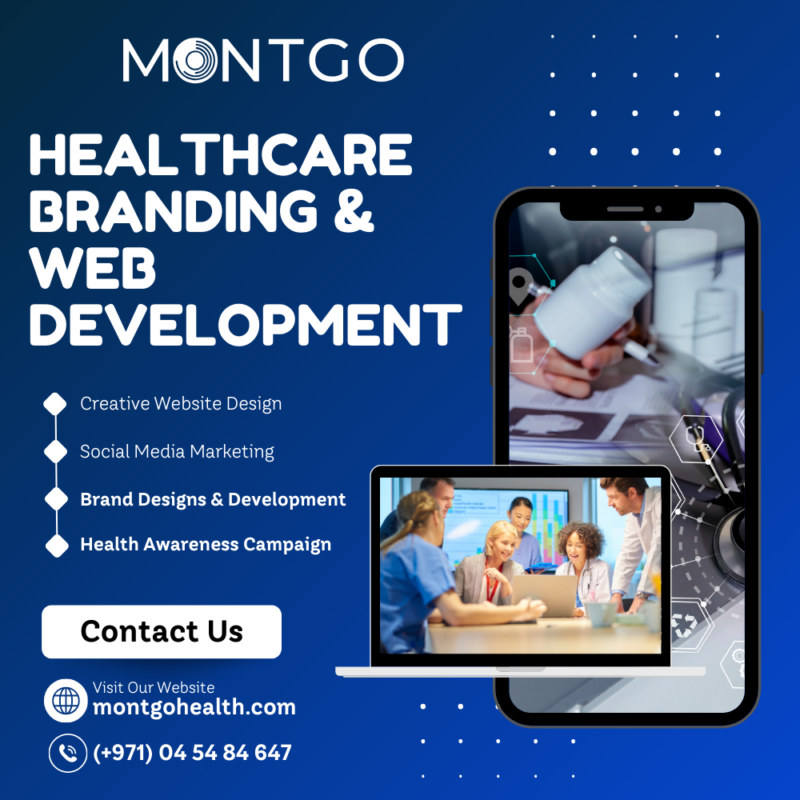
In today’s fast-paced digital world, the healthcare sector faces unique challenges and exciting opportunities. Patients have evolved from passive recipients of care into informed consumers who demand transparency, convenience, and personalized experiences. To meet these rising expectations, healthcare organizations must focus on strong branding strategies combined with advanced web development. This article highlights the vital role that healthcare branding and web development play in building patient trust, boosting engagement, and driving overall success.
The Significance of Healthcare Branding
Healthcare branding goes beyond simple logos or colors; it embodies the core values, mission, and promise of a healthcare organization. A powerful brand conveys trustworthiness, compassion, and excellence—key factors influencing patient decisions and perceptions.
-
Building Trust and Credibility
Trust forms the foundation of the patient-provider relationship. Consistent, authentic branding reassures patients about the quality and integrity of care they will receive. Research from Qualtrics shows that effective healthcare branding significantly increases patient loyalty and trust.
-
Standing Out in a Competitive Market
The healthcare market is crowded with providers offering similar services. Branding allows organizations to differentiate themselves by showcasing unique strengths like specialized care, patient-focused services, or cutting-edge technology.
-
Boosting Patient Engagement
A compelling brand story creates emotional bonds with patients. When brand messaging aligns with patient values and needs, healthcare providers can foster deeper engagement and encourage proactive health management.
Ready to Start Your Medical Career in UAE?
Have questions about your medical license or facility setup? Contact us today and let’s make your journey seamless!
Core Components of Effective Healthcare Branding
To create a powerful healthcare brand, organizations should prioritize:
-
Mission and Vision Statements: Clearly defining the organization’s purpose and goals.
-
Visual Identity: Crafting a consistent visual style including logos, color schemes, and fonts that reflect the brand personality.
-
Consistent Messaging: Maintaining uniform tone and language across all communication platforms.
-
Patient-Centered Focus: Placing patient needs and experiences at the heart of branding efforts.
-
Community Involvement: Participating in outreach programs, health fairs, and education initiatives to strengthen brand presence and community ties.
The Role of Web Development in Healthcare
A healthcare provider’s website acts as its digital gateway, often shaping the first impression potential patients have. A successful website should be user-friendly, informative, and aligned with the organization’s brand identity.
-
Improving Accessibility and User Experience
Web accessibility ensures everyone—including people with disabilities—can navigate and use the site effectively. This includes features like image alt texts, keyboard navigation, and high-contrast designs.
-
Offering Comprehensive Information
Patients expect easy access to service details, provider credentials, appointment scheduling, and health resources. A well-organized website with intuitive navigation enhances user satisfaction by simplifying information retrieval.
-
Ensuring Mobile Responsiveness
With the growing use of smartphones, responsive web design is essential. It adjusts the site layout to fit various screen sizes, providing a smooth experience on any device.
-
Incorporating Secure Patient Portals
Patient portals enable individuals to access their health data, communicate with providers, and manage appointments. Prioritizing security and privacy in these portals is critical to maintaining patient trust.
-
Optimizing for Search Engines (SEO)
Effective SEO techniques boost website visibility on search engines, making it easier for patients to discover the organization online. Strategies include optimizing keywords, creating quality content, and building backlinks.
Best Practices in Healthcare Web Development
To develop an impactful healthcare website, consider these key practices:
-
Clear Calls to Action (CTAs): Direct users toward booking appointments or contacting providers.
-
Fast Loading Speeds: Enhance user experience and SEO rankings by optimizing performance.
-
Regular Content Updates: Keep health information, news, and organizational updates current.
-
Regulatory Compliance: Adhere to healthcare laws like HIPAA to protect patient data and privacy.
-
Analytics Integration: Use tools like Google Analytics to track traffic, user behavior, and improve the site continuously.
Ready to Start Your Medical Career in UAE?
Have questions about your medical license or facility setup? Contact us today and let’s make your journey seamless!
Aligning Branding and Web Development
Synchronizing branding with web development creates a unified and engaging patient experience. The website should reflect the brand’s identity—from visual design to messaging style—across all digital platforms, reinforcing recognition and trust.
Montgo Health’s Expertise in Branding and Web Development
Montgo Health exemplifies best practices in blending healthcare branding with advanced web development. With over two decades of experience managing DOH, DHA, and MOH audits and service processing in the UAE, Montgo Health has earned a reputation as a reliable provider of customer relationship solutions.
-
Branding Excellence: Montgo Health’s brand emphasizes patient-centric values, transparency, and innovation. Its modern logo and consistent color palette mirror its dedication to quality care and technological progress.
-
Innovative Web Development: The company’s website is user-friendly, featuring intuitive navigation, responsive design, and detailed information about services and providers. Secure patient portals and online appointment scheduling enhance convenience and accessibility.
-
Community Engagement: Through educational materials, health tips, and outreach initiatives presented on the site, Montgo Health showcases its commitment to public health and community well-being.
In the digital era, effective healthcare branding and web development are essential for cultivating patient trust, boosting engagement, and standing out in a competitive market. By focusing on user experience, accessibility, and consistent messaging, healthcare organizations can build lasting patient relationships and achieve sustained growth.
Montgo Health’s exemplary integration of branding and web solutions serves as a model for healthcare providers aiming to excel in today’s digital environment. Their commitment to quality, innovation, and patient-focused care highlights the transformative impact of strategic branding and digital presence in healthcare. For more information, contact Montgo Health.
Frequently Asked Questions
Q: How advanced is the healthcare system in the UAE?
A: The UAE boasts a highly advanced and rapidly evolving healthcare system combining public and private sectors. Regulated by entities like the Department of Health (DOH), Dubai Health Authority (DHA), and Ministry of Health and Prevention (MOHAP), the country invests heavily in infrastructure, technology, and talent. Health insurance is mandatory, and government efforts have improved healthcare accessibility, especially in major cities.
Q: What is medical branding?
A: Medical branding involves creating a unique identity for a healthcare provider or organization, including logos, colors, mission, and communication style. It builds trust, attracts patients, and distinguishes the provider in a competitive market. Beyond visuals, it reflects the consistent delivery of care and professionalism.
Q: What defines a medical website?
A: A medical website is a digital platform representing a healthcare provider or facility, typically featuring service information, doctor profiles, appointment booking, patient portals, educational content, and contact details. A well-designed site enhances access, educates patients, and reinforces credibility.
Q: Why is building a brand and customer base important for healthcare organizations?
A: Strong branding and a loyal customer base foster trust, enhance reputation, provide a competitive edge, encourage patient retention, and generate referrals. They also create emotional connections that motivate patient engagement and long-term commitment.
Q: Why is brand management crucial?
A: Managing a brand ensures consistent quality and trust in the organization’s public image. It involves monitoring feedback, maintaining uniform messaging, adapting to trends, and ensuring staff embody organizational values. Effective brand management strengthens resilience during changes or crises.
Q: Why is branding important in public health campaigns?
A: Branding in public health ensures clear, memorable, and emotionally engaging messages. It raises awareness, motivates behavioral changes, builds credibility, and maintains consistency across audiences and platforms, turning passive viewers into active participants.