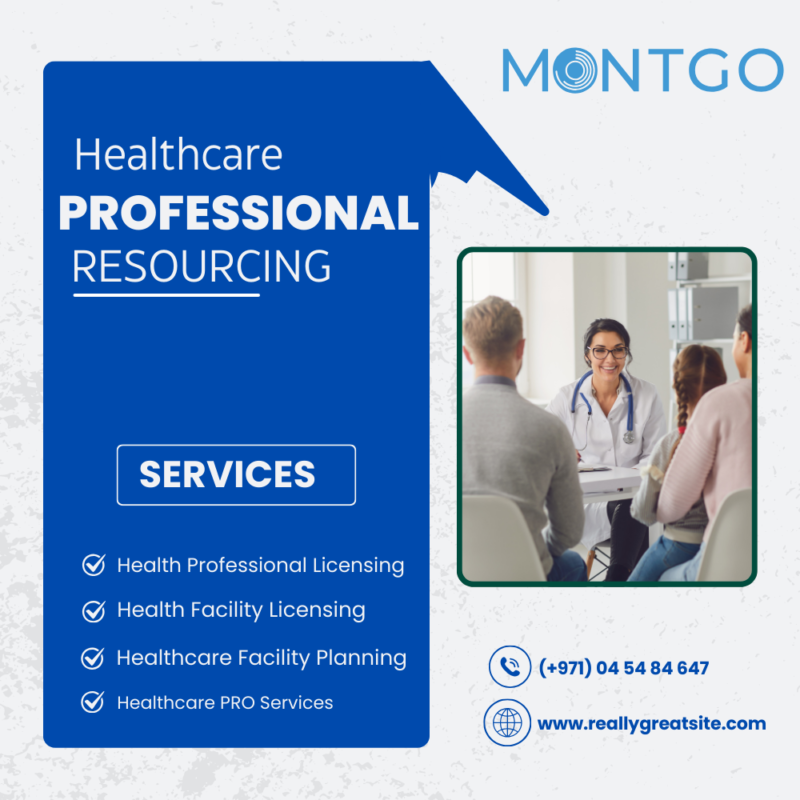
In today’s dynamic healthcare environment, having access to a skilled and reliable workforce is fundamental to delivering exceptional patient care. Healthcare providers continually face the complex challenge of sourcing, training, and retaining qualified personnel who can meet the evolving demands of diverse patient populations. Strategic healthcare professional resourcing is critical—not only for operational efficiency but also for achieving better patient outcomes and sustaining the healthcare system in the long term.
This blog explores the importance of healthcare professional resourcing, the challenges organizations face, and how effective strategies can strengthen workforce management. We also highlight how Montgo Health supports healthcare institutions in building and maintaining a high-performing healthcare workforce.
What is Healthcare Professional Resourcing?
Healthcare professional resourcing is the systematic process of recruiting, onboarding, training, and managing the personnel required to deliver healthcare services. This encompasses not just physicians and nurses, but also allied health professionals, administrative teams, support staff, and medical specialists. Ensuring that the right individuals are placed in the right roles at the right time is essential for quality care delivery and seamless operations.
Beyond filling roles, effective resourcing involves aligning workforce capacity with clinical demands, regulatory requirements, and long-term talent sustainability—especially as healthcare systems and technologies continue to evolve.
Ready to Start Your Medical Career in UAE?
Have questions about your medical license or facility setup? Contact us today and let’s make your journey seamless!
Why is Healthcare Professional Resourcing Essential?
Enhanced Patient Care
The quality of healthcare outcomes is directly tied to the competence and availability of healthcare workers. Adequate resourcing reduces patient wait times, enhances safety, and ensures timely and accurate care.
Improved Operational Efficiency
Proper staffing minimizes bottlenecks and burnout, promoting smoother day-to-day operations. It also lowers turnover rates and operational disruptions, allowing for consistent service delivery.
Regulatory Compliance
Healthcare providers must comply with licensing, qualification, and care delivery standards mandated by authorities. Resourcing ensures staff qualifications align with these standards, minimizing legal or accreditation risks.
Financial Viability
Strategic workforce planning helps manage labor costs by optimizing staff allocation and reducing expenses associated with recruitment, training, and staff replacement.
Key Drivers of Healthcare Workforce Planning
Several core factors influence how healthcare organizations plan and manage their workforce:
1. Population Health Needs
Demographics like aging populations, chronic disease prevalence, and cultural diversity dictate specific staffing needs. For instance, an increase in elderly patients may demand more geriatric care specialists or home health providers.
2. Technological Advancements
New technologies, including AI diagnostics and robotic surgeries, require specialized training. Healthcare organizations must continually upskill staff to adapt to digital healthcare transformation.
3. Global Talent Shortages
Shortfalls in areas like nursing, mental health, and oncology are putting immense pressure on healthcare systems globally. Strategic resourcing is crucial for addressing gaps and preventing service disruption.
4. Workforce Mobility
Cross-border movement of healthcare professionals can fill workforce shortages, but it also introduces challenges related to licensing, training, and integration.
5. Burnout and Mental Health
Healthcare roles are emotionally and physically taxing. Without appropriate support, staff are prone to burnout. Workforce strategies must focus on resilience and retention through wellness initiatives.
Key Challenges in Healthcare Resourcing
Recruitment and Retention Difficulties
With intense competition and high turnover rates, securing and keeping top talent is a persistent hurdle—particularly in niche or high-stress specialties.
Training and Continuous Development
Ongoing professional development is crucial in a fast-evolving sector, but it can strain both financial and time resources for healthcare facilities.
Budget Constraints
Finding the balance between staffing needs and cost control is a constant struggle, especially in public or not-for-profit healthcare environments.
Cultural and Team Fit
Resourcing goes beyond technical qualifications. Aligning new hires with the facility’s culture and ensuring positive team dynamics is essential for long-term success.
Strategies for Effective Resourcing
1. Data-Driven Workforce Planning
Leveraging data analytics allows healthcare leaders to forecast staffing needs based on population trends, service demand, and industry benchmarks.
2. Expanding Talent Pipelines
Utilizing multiple recruitment channels—including international sourcing, university partnerships, and specialist agencies—broadens access to diverse talent pools.
3. Investing in Employee Well-being
Support systems such as mental health services, flexible scheduling, and employee recognition programs can significantly reduce burnout and increase job satisfaction.
4. Integrating Remote and Telehealth Models
Telemedicine can alleviate workforce strain by allowing healthcare delivery without increasing physical staffing or infrastructure demands.
5. Partnering with Workforce Management Experts
Working with healthcare consultancy firms like Montgo Health ensures that recruitment, training, compliance, and workforce optimization are handled by experienced professionals.
Ready to Start Your Medical Career in UAE?
Have questions about your medical license or facility setup? Contact us today and let’s make your journey seamless!
Montgo Health: Your Partner in Workforce Excellence
Montgo Health offers specialized healthcare management services designed to optimize workforce resourcing. From end-to-end recruitment and credentialing to training and performance management, Montgo Health supports healthcare providers in building capable, compliant, and future-ready teams.
With deep experience in the UAE healthcare sector, Montgo Health ensures alignment with regulatory standards, helps close workforce gaps, and improves staff retention through tailored workforce solutions. Their services go beyond hiring—they provide strategic insights to strengthen your organizational culture, reduce turnover, and maximize operational performance.
Resourcing healthcare professionals effectively is a multifaceted task that requires strategic foresight, operational agility, and a focus on quality care delivery. As demands on healthcare systems grow, workforce planning must evolve to remain responsive and sustainable.
By adopting data-driven approaches, investing in employee well-being, and leveraging expert partners like Montgo Health, healthcare organizations can overcome workforce challenges and deliver consistent, high-quality patient care.
Frequently Asked Questions (FAQs)
Q. Which is the largest healthcare company in the UAE?
A. NMC Health is currently the largest healthcare organization in the UAE, operating an extensive network of hospitals, clinics, and pharmacies across the country.
Q. What are some top healthcare recruitment agencies in the UAE?
A. Leading agencies include Mediclinic, Health Staff Recruitment, and Cassia, all known for connecting healthcare facilities with highly skilled professionals.
Q. What does DOH stand for in the UAE?
A. DOH refers to the Department of Health, the regulatory body responsible for governing healthcare services in Abu Dhabi.
Q. What is the growth outlook for the UAE healthcare sector?
A. The healthcare sector in the UAE continues to grow, driven by increased investment, population expansion, and demand for cutting-edge medical technologies.
Q. What are the main challenges facing UAE healthcare?
A. The sector faces challenges such as staff shortages, rising healthcare costs, limited mental health services, and the growing needs of an aging population.
Q. How does the UAE rank globally in healthcare?
A. The UAE ranks among the top 30 nations worldwide for healthcare, recognized for its advanced infrastructure, patient safety standards, and medical innovation.